Living in Limassol
Cyprus' business capital, on a 15 km stretch of Mediterranean coastline. Here is what daily life actually looks like.

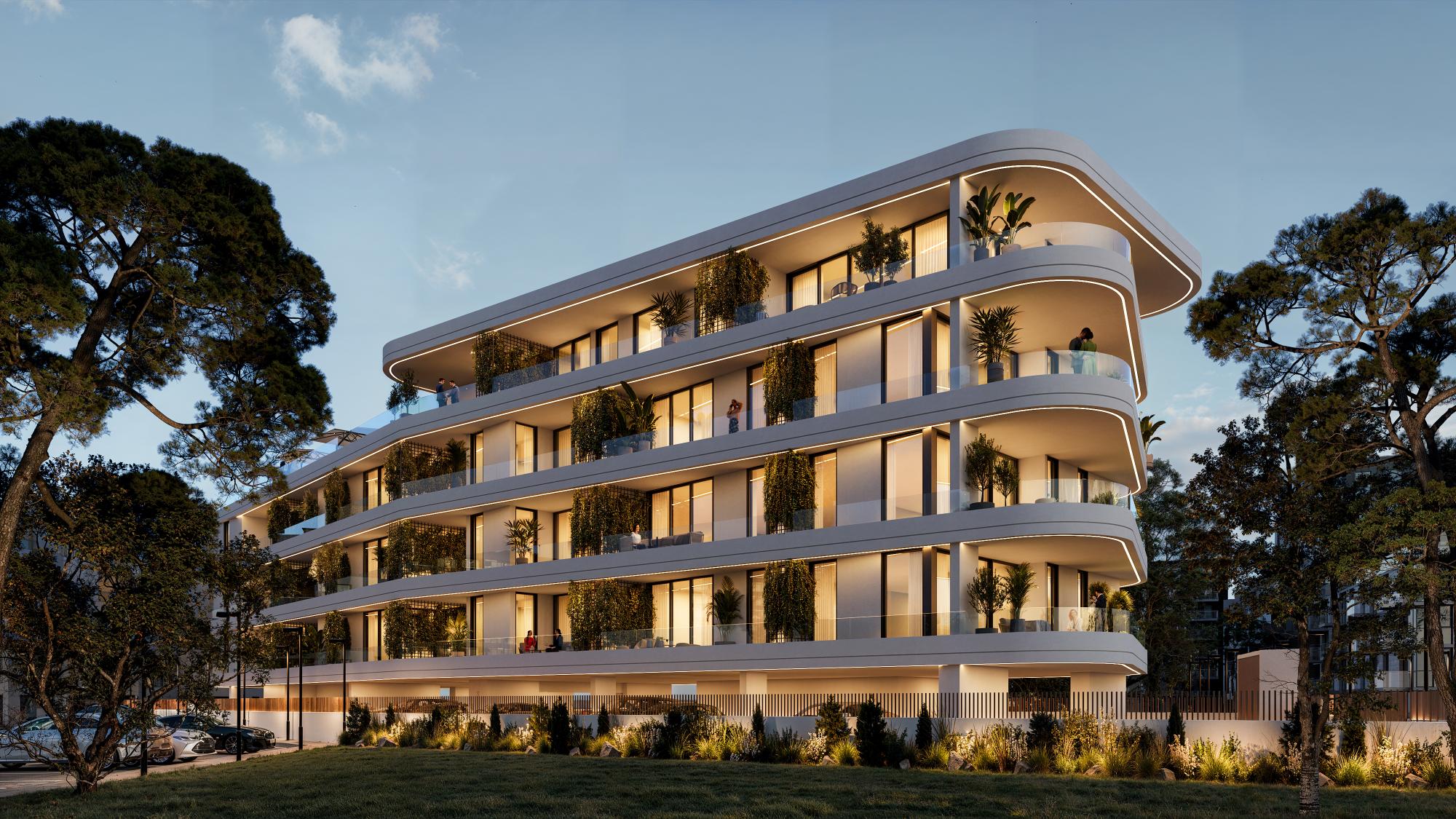
Limassol is the second-largest city in Cyprus and, by some distance, its most international. It combines a working port and business district with a long seafront, a mild climate and an unusually short commute to almost everything. For families relocating from Northern Europe, Israel, the Gulf or the post-Soviet region, the appeal is rarely one single factor — it is the combination of an EU legal framework, English as a working language, a safe environment for children, and a coastline you can reach on foot from most of the city.
Climate and lifestyle
Limassol has roughly 300 sunny days a year. Summers run hot and dry from June to September, with sea temperatures comfortable for swimming from May through November. Winters are mild — daytime temperatures typically sit in the mid-teens Celsius, and heavy snow exists only 40 minutes away in the Troodos mountains, where the ski season runs briefly from January.
The practical effect is that outdoor life is the default. Cafes, seafront promenades, school sports and weekend beach time run for most of the year rather than for two months of it. The city's rhythm is late: dinner at 21:00 is normal, and the seafront stays busy well past midnight in summer.
Education
Limassol has one of the widest selections of international schools in Cyprus, which is usually the deciding factor for relocating families. Options include British-curriculum schools (IGCSE and A-Level), International Baccalaureate programmes, Russian-curriculum schools and a French school, alongside the free public Greek-language system often chosen by families settling long-term. Most international schools teach in English with Greek as an additional language, places at the well-known schools are competitive — apply a full academic year ahead — and higher education is available locally as well as across the EU on domestic terms for EU citizens.
Healthcare and safety
Cyprus operates GESY, the national health system, which covers contributing residents and provides GPs, specialists, hospital care and prescriptions at low cost. Alongside it a substantial private sector operates in Limassol, with modern hospitals and clinics where English-speaking doctors are the norm and appointments are usually available within days. Many international residents combine both: GESY registration plus private insurance for speed and choice.
On safety, Cyprus consistently reports among the lowest violent crime rates in the European Union. In practice this means children walking to school alone, evening life without concern, and low-security residential buildings. It is one of the most commonly cited reasons families stay after an initial trial year.
An international community
Limassol has been an international city for decades — first through shipping, later through financial services and, most recently, technology. Greek-speaking Cypriot, British, Israeli, Russian, Ukrainian, Lebanese, Indian and Scandinavian communities all have visible presence, along with the schools, restaurants, places of worship and associations that come with them. English is spoken almost universally in business, retail, medical and professional settings. Learning Greek helps with integration and paperwork, but no relocating family is blocked by language on arrival.
Food, culture and nightlife
The eating out culture is one of the strongest arguments for the city. Traditional Cypriot tavernas serving meze sit alongside Lebanese, Japanese, Italian, Israeli, Georgian and modern Mediterranean restaurants, concentrated around the Old Town, the Marina and the Germasogeia strip. The restored stone streets of the Medieval Castle quarter hold independent restaurants, bars and small galleries; the Marina is the city's most photographed setting; the Limassol Carnival in spring and the Wine Festival in autumn are genuine city-wide events; and the Krasochoria villages and Commandaria wine region are 30 to 45 minutes inland.
Beaches, nature and activities
A continuous coastal path runs for kilometres along the seafront, used daily for running, cycling and walking. Beaches range from organised municipal beaches with sunbeds and cafes to quieter stretches east towards Governor's Beach and west towards Kourion and Avdimou. Inland, the Troodos mountains offer hiking, forest villages and cooler summer air within an hour's drive. Watersports, sailing, diving, tennis, padel and golf are all available locally, and the Akrotiri salt lake attracts flamingos each winter.
Location and connectivity
Limassol sits centrally on the south coast, which makes the rest of the island close: Larnaca and Paphos international airports are each roughly 45 to 50 minutes by car, Nicosia is about 50 minutes by motorway, and Limassol Port is the largest in Cyprus and a Mediterranean cruise and cargo hub. Direct flights connect Cyprus to most major European capitals, Israel, the Gulf and a growing list of long-haul destinations. Cyprus is an EU member state but is not yet in the Schengen area, so travellers should check current entry requirements for their nationality.
Getting around and everyday amenities
Limassol is a car city. Driving is on the left, distances are short and parking is generally available. Public buses cover the main routes inexpensively, taxis and ride-hailing apps operate widely, and the flat coastal geography makes cycling and e-scooters practical along the seafront. Everyday infrastructure is straightforward: large supermarkets open long hours and on Sundays, several malls, pharmacies with rotating night duty, fast fibre internet across the city, and banking that now handles most tasks online. Utilities, mobile contracts and internet can generally be set up within days of arrival.
Family life and practical points for relocation
EU citizens register locally with minimal formality; non-EU nationals typically arrive through employment, the permanent residency route linked to property investment, or a self-sufficiency permit. Cyprus applies a personal income tax-free threshold of €22,000 and a non-domicile regime that exempts qualifying new residents from Special Defence Contribution on dividends, interest and rent, with corporate tax at 15% — take advice, as the rules changed materially in the 2026 tax reform.
On timing, the school year starts in September and rental supply is tightest in August and September, easiest between November and February. Many families rent for six to twelve months before buying, to choose between Germasogeia, Agios Athanasios, Agios Tychonas, Mesa Geitonia, Potamos Germasogeias and the Old Town — each with a distinct character, price level and school catchment. Cost of living is lower than Northern Europe on services, dining out and property taxes, and comparable or higher on cars, electricity and imported goods.
Quality of life, in short
“A short-commute coastal city inside the European Union, with English-language schooling and healthcare, low crime and a strong international community.”
What Limassol asks in return is tolerance for hot summers, a car-dependent layout and the ordinary friction of relocating to a small country. This article is general information about living in Limassol and is not legal, tax or financial advice — rules, rates and thresholds change, so confirm current requirements with a qualified Cyprus adviser. Last reviewed: September 2026.